
Quadrants
of Life.
A multidisciplinary magazine exploring the connections between physical health, nutrition, the brain, and the ethical questions that shape human life.
Four dimensions. One interconnected life.
Quadrants of Life explores the human experience through four interconnected fields: sports injuries and rehabilitation, nutrition and metabolism, neuroscience, and bioethics.
The body is not simply a machine to train, the mind is not merely a place where thoughts happen, and ethical questions cannot be separated from the experiences of real people. Each dimension shapes the others, creating a more complete picture of health, learning, well-being, and human dignity.
This inaugural issue moves from practical questions about muscle soreness, knee pain, and energy balance to the mechanisms of neural communication, the development of memory, and philosophical debates surrounding end-of-life decisions and abortion.
Across these subjects, the magazine invites readers to connect scientific understanding with everyday decisions, approach complex questions with care, and recognize the value of thoughtful inquiry.
Understand the body. Explore the mind. Question carefully. Live thoughtfully.
Read the Magazine
Preview the original 23-page issue in the reader above. If the embedded reader is unavailable on your device, open the PDF directly using the button below.
Four fields of exploration.
Sports & Rehabilitation
Movement, injury prevention, recovery, and the body.
02Nutrition & Metabolism
Energy balance, macronutrients, and sustainable fitness.
03The Hidden Realms of the Brain
Neurons, neural development, learning, and memory.
04Ethical Myths
Autonomy, dignity, moral status, and philosophical debate.
Move better.
Recover smarter.
Physical activity is essential to well-being, but understanding the body's signals matters just as much as training itself. This section examines common sports-related pain, injury mechanisms, and practical approaches to prevention and recovery.
Leg Soreness After Exercises? First, Figure Out Whether It's Normal Muscle Soreness or “Shin Splints”
Learn how ordinary post-exercise muscle soreness differs from shin splints, why training load and repetitive impact matter, and how warm-ups, appropriate recovery, and changes in activity can help reduce unnecessary strain.
Knee Pain Below the Kneecap? Let's Talk About the Common “Patellar Tendinitis” in Ball Sports
Explore patellar tendon irritation associated with repeated jumping and high-impact activity. The article discusses common symptoms, contributing factors, and examples of everyday rehabilitation exercises and stretching techniques.

Understand energy.
Build lasting habits.
Body composition is shaped by the relationship between energy intake, energy expenditure, metabolism, and nutritional quality. These articles introduce the underlying principles without reducing health to a single number or a restrictive diet.
Caloric Deficit: The Core Principle of Losing Fat and Building Muscle
Examine energy balance and the role of a caloric deficit in weight management. The article considers daily energy needs, activity levels, resistance training, food quality, and the importance of sustainable habits rather than extreme restriction.
Basal Metabolism and the Three Macronutrients: Unlocking the Science Behind Diet for Fat Loss and Body Shaping
Explore basal metabolic rate and the distinct roles of carbohydrates, proteins, and fats. The discussion connects energy requirements with nutrient balance, muscle maintenance, satiety, and long-term dietary consistency.

The biology
of thought.
The brain is a dynamic network shaped by electrical activity, chemical signaling, development, and experience. This section moves from the cellular mechanisms of communication to the processes that support learning and memory.
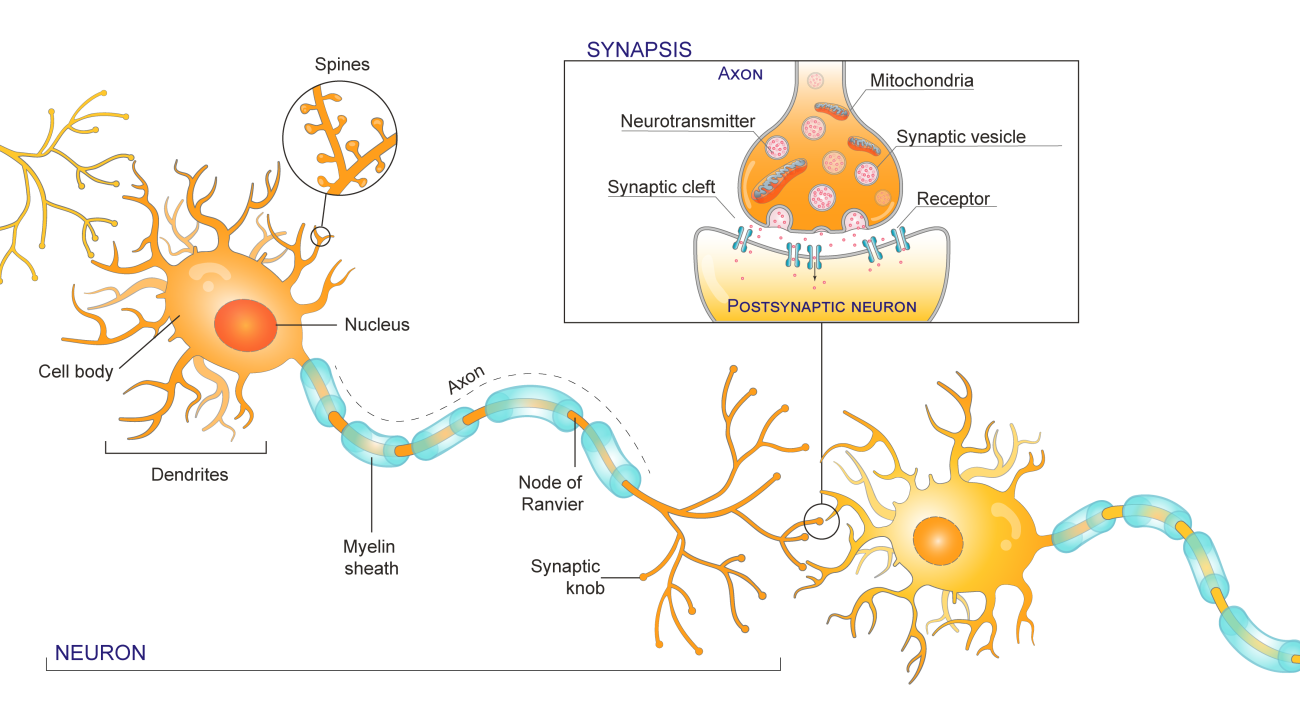
Unveiling the Wonders of the Brain: How Neurons Think and Communicate
Discover the organization of gray and white matter, the roles of neurons and their supporting structures, and the electrical and chemical processes behind neural signaling. The article explores ion gradients, action potentials, and communication across synapses.
Sculpting Our Brains: From Neural Development to the Secrets of Learning and Memory
Follow the development of neural connections, from early circuit formation and synaptic pruning to experience-dependent plasticity. The article also considers memory formation, sleep, and aerobic exercise in relation to learning and brain health.
Difficult questions.
Deeper reasoning.
Questions about life, dignity, autonomy, and moral responsibility rarely have simple answers. The final section brings philosophical arguments into dialogue, encouraging readers to examine assumptions, competing principles, and the implications of different positions.
Rethinking Life's Final Chapter: Choice, Dignity, and the Ethics of Assisted Dying
Examine the tension between personal autonomy, relief from suffering, and the intrinsic value of human life. The article introduces competing bioethical arguments, distinctions among end-of-life practices, and questions about safeguards and vulnerable populations.
Reframe the Abortion Debate: Rigorous Philosophical Inquiry
Explore the abortion debate through several philosophical frameworks, including bodily autonomy, personhood, the future-like-ours argument, and moral responsibility. The article compares different lines of reasoning rather than treating a complex moral question as a single-issue dispute.

Curiosity is where understanding begins.
Quadrants of Life brings scientific explanation and philosophical inquiry into one publication. Its goal is not only to present information, but to encourage readers to connect ideas with real experiences and think more carefully about human well-being.
Science in Everyday Life
Understand how movement, nutrition, and brain function relate to the decisions people make in daily life.
Questions Without Easy Answers
Approach ethical controversies through careful reading, competing arguments, and reasoned analysis.
An Invitation to Contribute
The magazine also welcomes original writing across its four subject areas. Its author guidelines discuss article structure, references, image permissions, and editorial review.
Explore the science.
Question the world.
From the body's everyday signals to the brain's hidden connections and the ethical questions that define our choices, discover a magazine built around curiosity about the whole human experience.
